
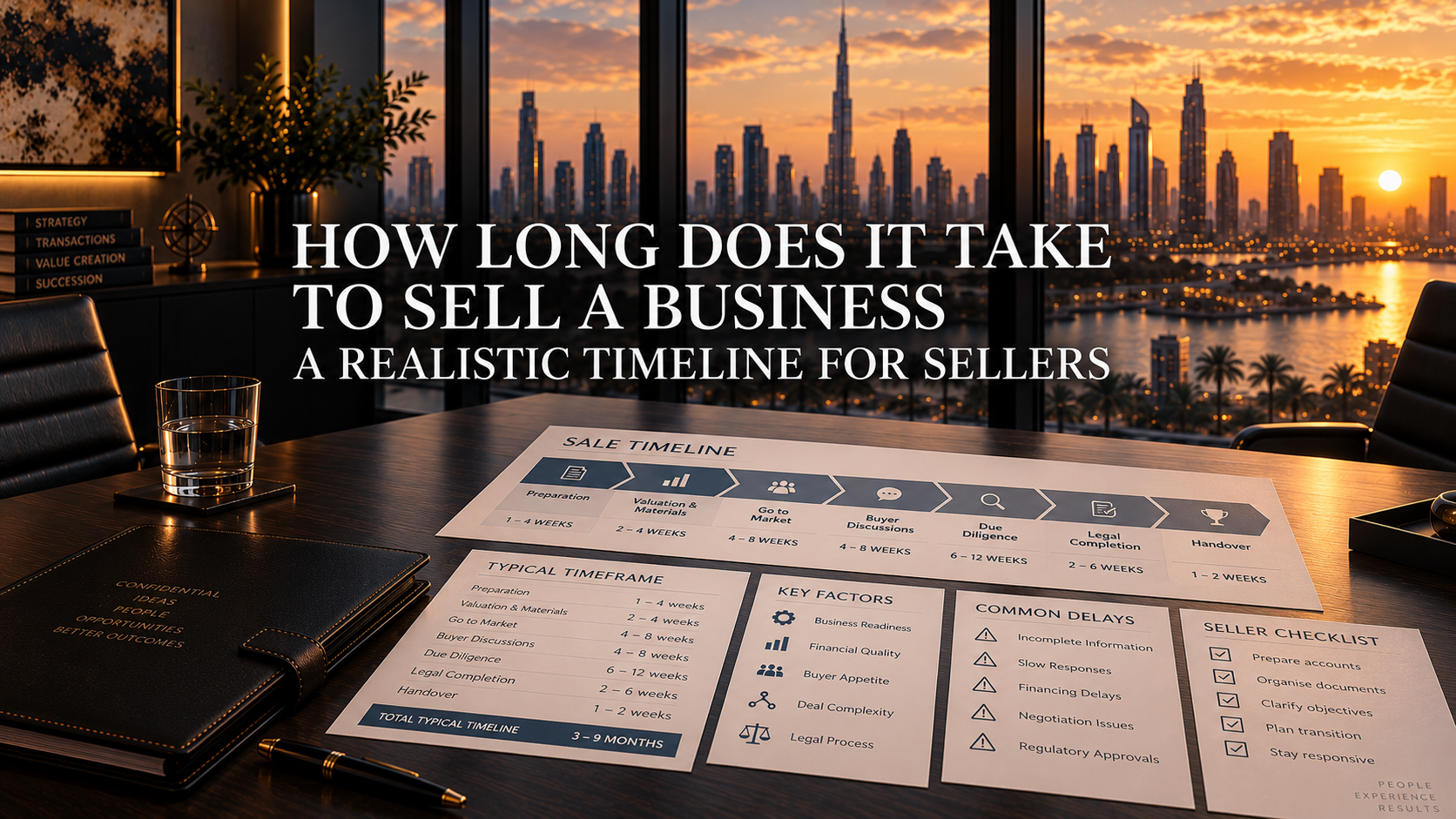
For business owners contemplating the sale of their company, understanding the timeline involved in the process can be a critical aspect of their decision-making. Selling a business is not merely a transaction; it is a complex process that requires careful planning, strategic marketing, and thorough due diligence. In this blog post, we will explore how long it typically takes to sell a business, providing a realistic timeline for sellers and outlining the various stages involved in the business sale process.
Understanding the Business Sale Process
Before delving into the specifics of how long to sell a business, it is essential to grasp the overall business sale process. The journey to a successful sale often involves several key stages, including preparation, marketing, negotiation, and closing. Each of these stages can vary significantly in duration based on various factors, including the size of the business, market conditions, and the seller’s readiness.
Stage 1: Preparation for Sale
The first stage in the M&A timeline is preparation. This phase is crucial and can take anywhere from a few weeks to several months. During this time, business owners should focus on:
- Valuation: Obtain a professional business valuation to understand your company’s worth.
- Documentation: Prepare comprehensive documentation, including financial statements, operational reports, and legal documents.
- Clean-Up: Address any operational inefficiencies or outstanding liabilities that may deter potential buyers.
- Strategic Planning: Develop a clear strategy for marketing your business to potential buyers.
Taking the time to prepare thoroughly can significantly enhance the selling price and reduce the time it takes to close the sale.
Stage 2: Marketing the Business
Once the preparation phase is complete, the next step is to market the business. This stage typically spans 3 to 6 months, depending on the complexity of the business and the effectiveness of the marketing strategy employed. Key activities during this phase include:
- Identifying Potential Buyers: Creating a profile of ideal buyers and identifying potential candidates.
- Marketing Materials: Developing engaging and informative marketing materials that highlight the strengths and potential of your business.
- Networking: Leveraging industry contacts, brokers, and M&A advisors to reach a wider audience.
- Advertising: Using online platforms and industry publications to attract interested buyers.
The effectiveness of your marketing efforts can significantly impact how long it takes to sell a business. A well-targeted approach increases the likelihood of finding the right buyer quickly.
Stage 3: Negotiation and Due Diligence
Once potential buyers express interest, the negotiation and due diligence phase begins. This stage can last from 1 to 3 months, depending on the complexity of the deal and the number of interested buyers. During this phase, the following occurs:
- Letter of Intent (LOI): Interested buyers typically submit an LOI outlining their proposal, including price and terms.
- Due Diligence: Buyers will conduct a thorough examination of your business, including financials, operations, and legal compliance.
- Negotiation: Both parties negotiate the terms of the sale, addressing any contingencies or concerns raised during due diligence.
It is essential to be prepared for this stage, as it can be time-consuming and requires significant communication and collaboration between both parties.
Stage 4: Closing the Sale
The final stage of the business sale process involves closing the sale, which generally takes 1 to 2 months. This phase includes:
- Final Agreements: Drafting and finalising the purchase agreement and any ancillary agreements.
- Financing Arrangements: Ensuring that the buyer secures financing if necessary.
- Regulatory Approvals: Obtaining any required regulatory approvals, which can vary by industry.
- Transfer of Ownership: Finalising the transfer of ownership and transitioning responsibilities.
Closing the sale marks the culmination of the M&A timeline and requires careful attention to detail to ensure a smooth transition.
Factors Influencing the Timeline
While the above stages provide a general outline of the business sale process, several factors can influence how long it takes to sell a business:
- Business Size and Complexity: Larger, more complex businesses often take longer to sell due to increased due diligence requirements.
- Market Conditions: Economic conditions and industry trends can impact buyer interest and the overall speed of the sale.
- Seller Preparedness: A well-prepared seller with all necessary documentation in order can expedite the process.
- Buyer’s Financing: Delays in securing financing on the part of the buyer can prolong the closing process.
Understanding these factors can help sellers set realistic expectations regarding the time it may take to sell their business.
Conclusion
In summary, the journey to sell a business can take anywhere from 6 months to over a year, depending on various factors, including preparation, marketing, negotiation, and closing. By understanding the M&A timeline and being proactive in each stage of the business sale process, sellers can significantly improve their chances of a successful transaction.
If you are considering selling your business and would like guidance throughout the process, Churchill Mergers is here to help. Our team of experienced M&A advisors can provide you with the support and expertise you need to navigate the complexities of selling your business. Contact us today to start your journey towards a successful business sale.